Recent declines in US tech stocks are raising alarms, but pulling investments might not be the best move for fund managers just yet.
Will AI Hype Spark a Market Collapse?
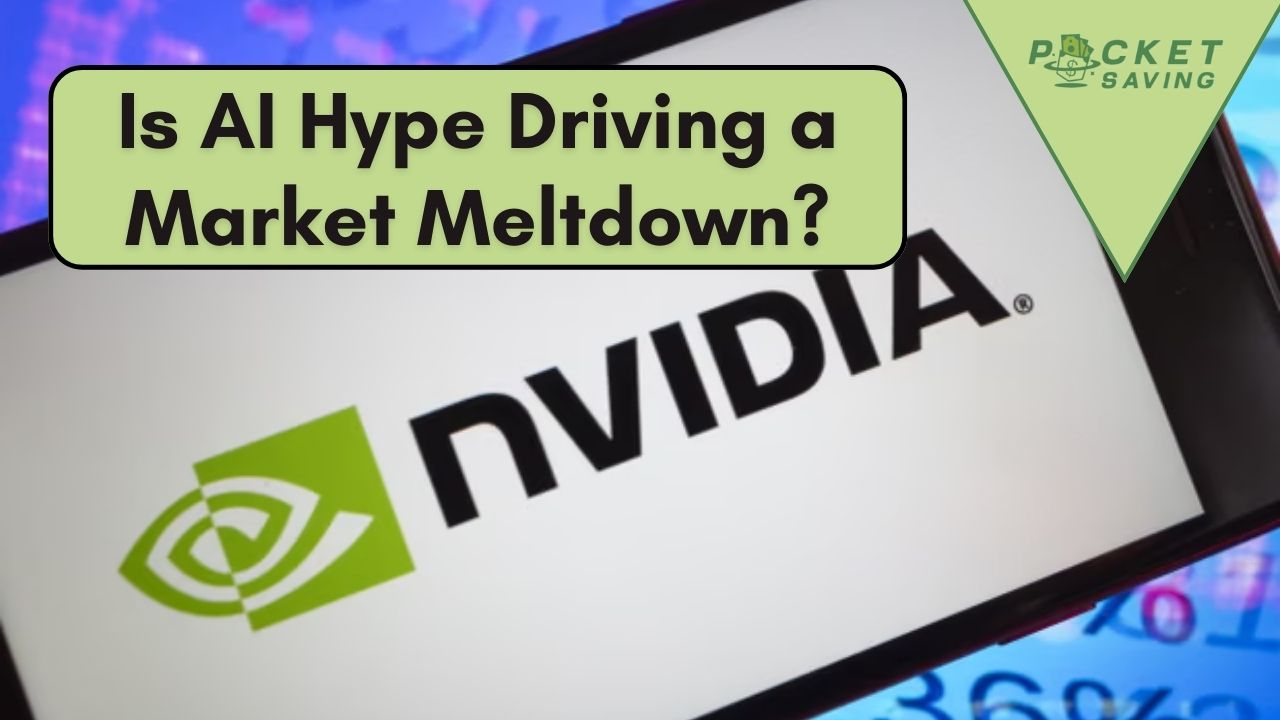
Concerns are mounting over a possible stock market collapse, one that could shift from a minor setback to a steep decline as the excitement around artificial intelligence starts to fade. Over the past few weeks, shares in major US tech companies have taken a hit, and analysts predict a wave of disappointing figures could dominate headlines by the end of August.
This scenario echoes the dotcom crash of 2000, where overhyped companies crumbled, leaving investors with significant losses. The current situation might follow a similar path, with some AI-driven firms—once seen as promising—now appearing as risky burdens.
Jerome Powell, chair of the Federal Reserve, addressed these worries during his speech at the annual Jackson Hole summit of central bankers in Wyoming on Friday. His remarks aimed to soothe jittery markets, acknowledging the Fed’s concerns about rising inflation while signaling readiness to support an economy grappling with uncertainties tied to Donald Trump’s policies and a global slowdown. With the risk of stagflation—where growth stalls and prices climb—on the horizon, Powell hinted at potential interest rate cuts to alleviate pressure on debt-laden businesses.
Is Market Meltdown Ahead?
The stock market has become a critical focus for Powell, especially as many US personal pensions are heavily invested in publicly traded companies, particularly tech giants pouring money into AI without yet turning a profit. A recent Massachusetts Institute of Technology study highlighted that 95% of firms investing in generative AI have seen no financial returns so far.
This finding follows a stark warning from Sam Altman, CEO of OpenAI, who described some company valuations as “unrealistic.” Ipek Ozkardeskaya, a senior analyst at Swissquote, a currency trading firm, suggested Altman’s comments may have jolted investors, triggering a sharp retreat from overhyped stocks.
Early this week, Palantir—a data mining and spyware company with substantial US government contracts—saw its share price drop nearly 10%. Nvidia, a leader in AI chips, fell over 3%, with other AI-related stocks like Arm, Oracle, and AMD also slipping. These companies, alongside established names such as Amazon, Microsoft, Alphabet (Google), and Meta (Facebook), form a significant part of most pension fund portfolios.
So, should fund managers sell off their holdings? That could be a risky move. The massive investments by giants like Google and Meta in AI suggest a technology with enduring potential, even if its benefits are still speculative. White-collar workers are increasingly encountering AI tools in their daily tasks—think presentations, reports, and research—often with assurances (however hollow) that jobs won’t be at risk.
Tools like Microsoft’s Copilot and other AI assistants are becoming staples in offices, handling routine chores efficiently. If this adoption continues—and it’s already underway in many sectors—the tech industry might land softly, even as less stable, speculative firms falter. A downturn could even benefit the big players, allowing them to scoop up innovative tech from the debris at a bargain.
Palantir’s price-to-earnings ratio exceeds 500, a figure that would unsettle most investors (typically wary above 50), while Nvidia’s stands at 56. As share prices adjust to more realistic earnings expectations, these ratios may decline, but the companies are unlikely to collapse, even in a severe market downturn.
Donald Trump’s influence adds another layer, as his support for cryptocurrencies and deregulated social media platforms hints at a favorable stance toward AI. However, the technology’s broader impact on humanity could be negative, with politicians and regulators lagging far behind tech moguls who view AI as a tool to control and diminish workers’ power.
Can AI Hype Crash Markets?
For investors, though, AI isn’t disappearing, crash or not. Its integration into corporate life seems inevitable, making it a fixture worth watching, even amid market turbulence.